.png)
Unlocking Neuroplasticity Through Intentional Movement for a Calmer Mindset
- Davinder Ojalla

- Feb 12
- 4 min read
Our brains constantly change and adapt, forming new connections based on our experiences. This ability, known as neuroplasticity, shapes how we think, feel, and respond to the world. One powerful way to influence these changes is through slow, intentional movement. By moving mindfully, we can create new neural pathways that favor calmness over chaos, helping us manage stress and improve mental well-being.
This post explores how intentional movement supports neuroplasticity and offers practical ways to incorporate it into daily life for a calmer mindset.

Understanding Neuroplasticity and Its Role in Calmness
Neuroplasticity refers to the brain's ability to reorganize itself by forming new neural connections throughout life. This process allows the brain to adapt to new experiences, learn new skills, and recover from injuries. Importantly, neuroplasticity also influences emotional regulation and stress responses.
When we experience stress or chaos, our brain often defaults to reactive patterns, activating the fight-or-flight response. These patterns become ingrained through repeated exposure, making it harder to return to a calm state. Intentional movement offers a way to interrupt these patterns and build new pathways that promote relaxation and balance.
How Intentional Movement Shapes the Brain
Intentional movement means moving with awareness, focusing on the sensations, rhythm, and control of each motion. Unlike rushed or distracted movement, this approach engages the brain more deeply, encouraging it to form connections that support mindfulness and calm.
Research shows that slow, deliberate movements activate areas of the brain involved in attention, sensory processing, and emotional regulation. For example:
The prefrontal cortex, responsible for decision-making and self-control, becomes more active.
The insula, which processes body awareness, strengthens its connections.
The parasympathetic nervous system is stimulated, reducing stress hormones and promoting relaxation.
By practicing intentional movement regularly, these brain regions develop stronger networks that help shift the mind away from chaos toward calm.
Practical Ways to Use Intentional Movement for Mental Calm
Incorporating slow, mindful movement into your routine does not require special equipment or extensive training. Here are some accessible practices that support neuroplasticity and foster a calmer mindset:
1. Mindful Walking
Walking slowly and paying close attention to each step, the feeling of your feet touching the ground, and your breath can ground you in the present moment. Try this for 5 to 10 minutes daily:
Walk at a pace slower than usual.
Notice the sensations in your legs and feet.
Breathe deeply and evenly.
Observe your surroundings without judgment.
This practice helps build neural pathways that connect movement with mindfulness and calm.
2. Slow Yoga or Tai Chi
Both yoga and Tai Chi emphasize controlled, flowing movements combined with breath awareness. These practices have been shown to reduce anxiety and improve emotional regulation by enhancing neuroplasticity.
Focus on smooth transitions between poses.
Synchronize breath with movement.
Maintain awareness of body alignment and sensations.
Even short sessions of 15 to 20 minutes can make a difference over time.

3. Breath-Integrated Movement
Combining intentional movement with focused breathing amplifies the calming effect. For example:
Sit or stand comfortably.
Inhale slowly while raising your arms.
Exhale while lowering your arms.
Repeat with full attention on breath and movement.
This simple exercise can be done multiple times a day to reset your nervous system and encourage calm neural connections.
4. Body Scan with Movement
A body scan involves mentally checking in with different parts of your body. Adding slow movement to this practice deepens awareness:
Lie down or sit comfortably.
Slowly move each part of your body, starting from your toes up to your head.
Notice any tension or relaxation.
Breathe into areas that feel tight.
This practice strengthens the brain’s ability to regulate stress by linking movement with sensory awareness.
How Intentional Movement Changes Stress Responses
Stress triggers the release of cortisol and adrenaline, chemicals that prepare the body for immediate action. While useful in short bursts, chronic stress harms brain function and emotional health. Intentional movement helps by:
Activating the parasympathetic nervous system, which calms the body.
Reducing cortisol levels through relaxation.
Enhancing GABA (gamma-aminobutyric acid) activity, a neurotransmitter that inhibits anxiety.
Improving sleep quality, which supports brain repair and plasticity.
Over time, these changes create a brain environment that prefers calm responses, making it easier to handle daily challenges without feeling overwhelmed.

Tips for Building a Consistent Practice
Consistency is key to rewiring the brain through intentional movement. Here are some tips to help you stay on track:
Set small goals: Start with 5 minutes a day and gradually increase.
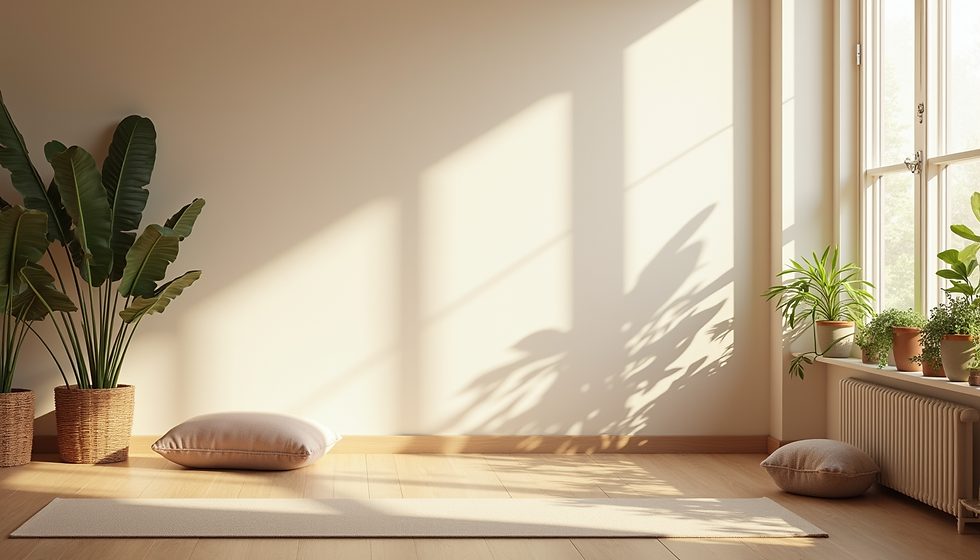
Create a dedicated space: Find a quiet, comfortable spot for your practice.
Use reminders: Set alarms or notes to prompt movement breaks.
Combine with other calming habits: Pair movement with journaling, nature walks, or gentle music.
Be patient: Neural changes take time, but regular practice leads to lasting benefits.


Comments